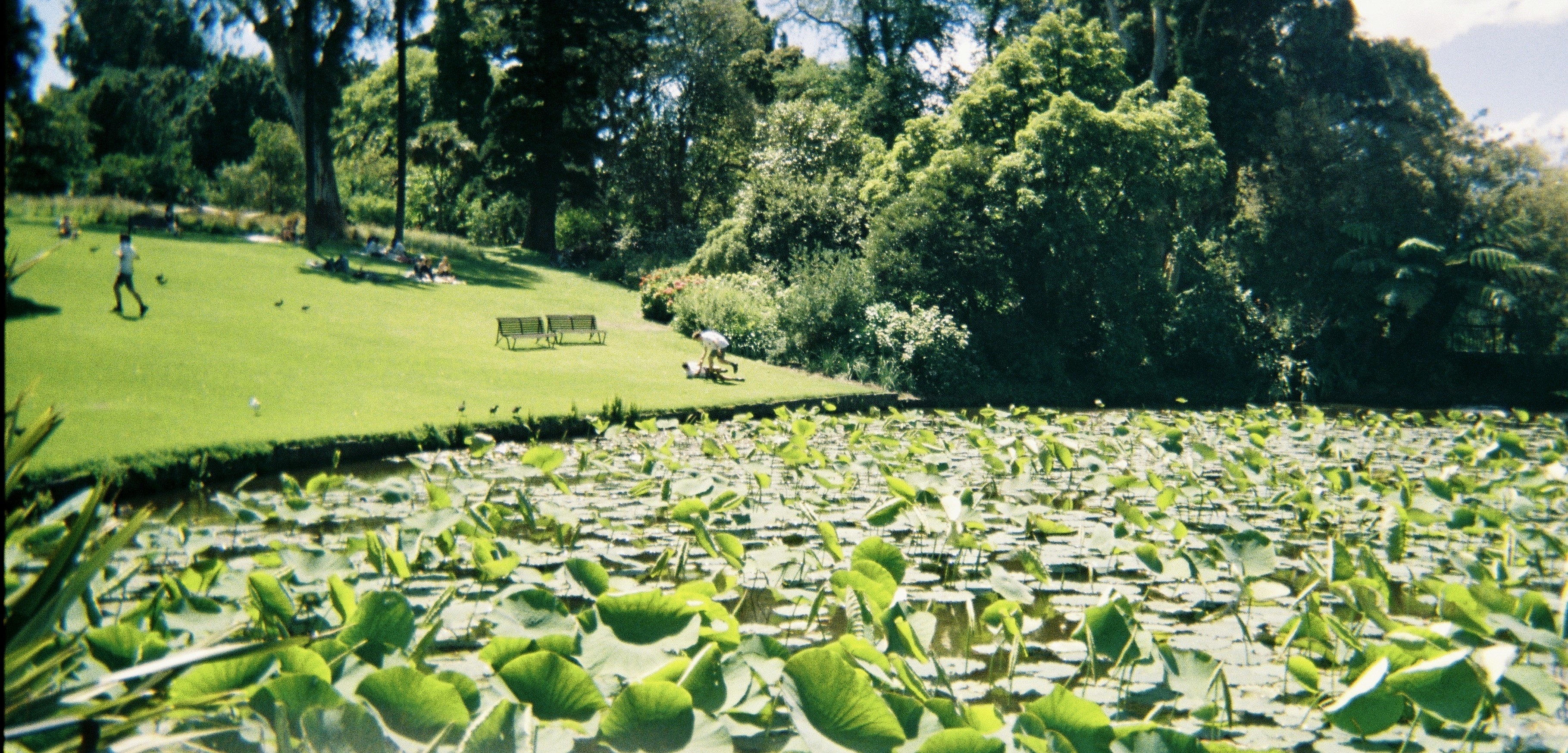
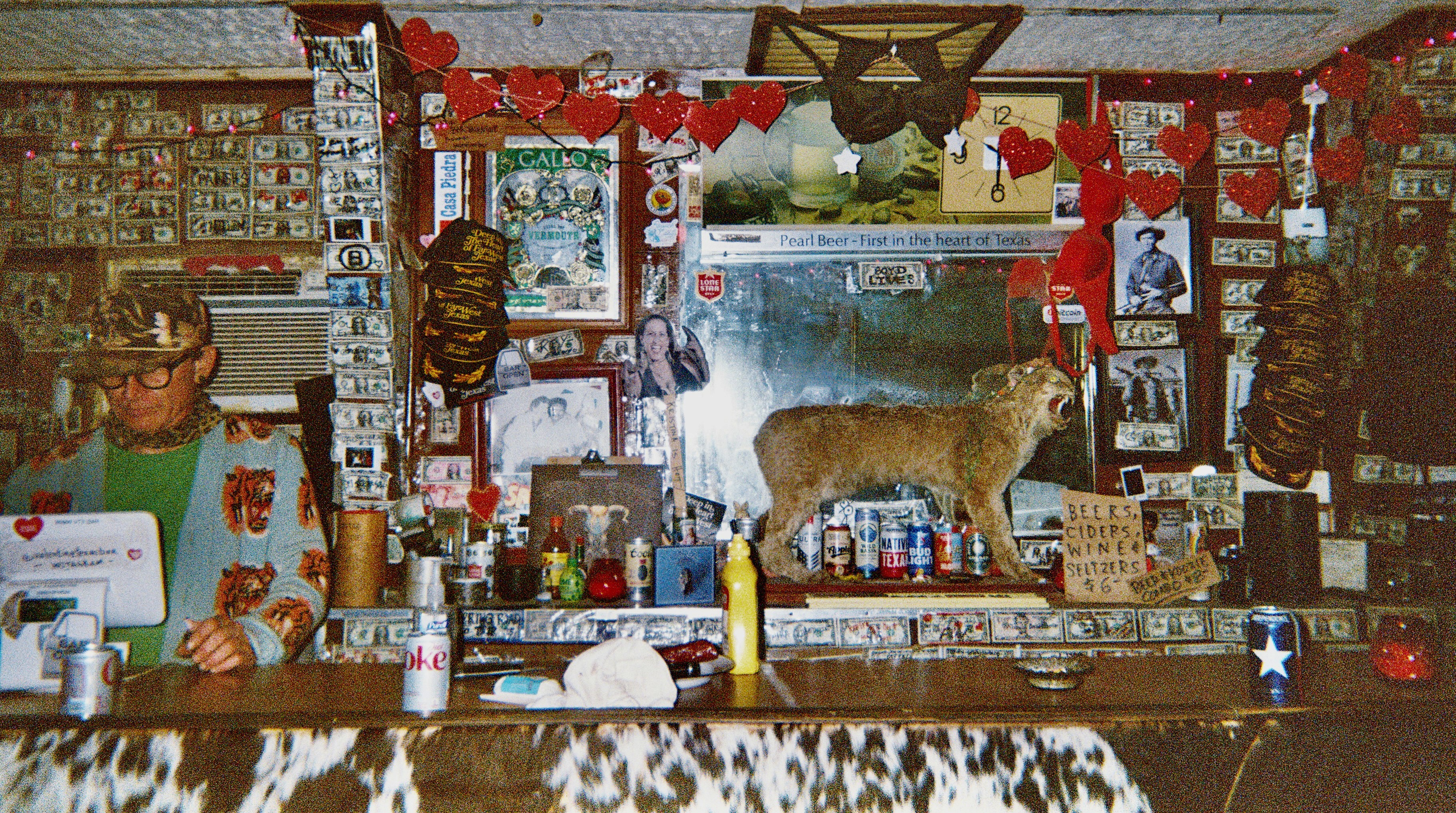
ΕΦΌΣΟΝ ΔΕΝ ΜΠΟΡΟΎΜΕ ΝΑ ΑΛΛΆΞΟΥΜΕ ΤΗΝ ΠΡΑΓΜΑΤΙΚΌΤΗΤΑ, ΑΣ ΑΛΛΆΞΟΥΜΕ ΤΑ ΜΆΤΙΑ ΠΟΥ ΤΗΝ ΒΛΈΠΟΥΝ.
SINCE WE CANNOT CHANGE REALITY, LET US CHANGE THE EYES WHICH SEE IT.
SINCE WE CANNOT CHANGE REALITY, LET US CHANGE THE EYES WHICH SEE IT.
SINCE WE CANNOT CHANGE REALITY, LET US CHANGE THE EYES WHICH SEE IT.
—NIKOS KAZANTZAKIS, GREEK JOURNALIST & POET
—NIKOS KAZANTZAKIS, GREEK JOURNALIST & POET
—NIKOS KAZANTZAKIS, GREEK JOURNALIST & POET
Notes on film photography:
My mom would always say her mother had an αδυναμία for me: a weakness. She had other grandchildren, but I was the one an ocean away in Dallas, Texas. I would visit her for AC-less Augusts in her Thessaloniki apartment on St. Sofia Street, next door to St. Sofia herself, the church my parents were married in and I baptized. (Also the replica of Istanbul’s Byzantine church-turned-mosque-turned-museum-turned-mosque-again. Ask me about this anytime.) This morning in the shower, I couldn’t remember the word. My tongue hurt.
In thinking about why I love film so much—and why I believe my generation is returning to it—anemoia came to mind. It’s a neologism from The Dictionary of Obscure Sorrows:
anemoia — n. nostalgia for a time you’ve never known
The noun is a portmanteau of ancient Greek ἄνεμος (ánemos, wind) and νόος (nóos, mind). Compare anemosis, The Dictionary writes, “which occurs when a tree is warped by strong air currents until it seems to bend backward, leaning into the wind.”
Athenamoia, Weakness. Anemoia, Nostalgia for a Time You Have Not Lived. I have a weakness for film photography I can only liken to the weakness of a Greek grandmother for her summer grandchild—the one she can hold!